
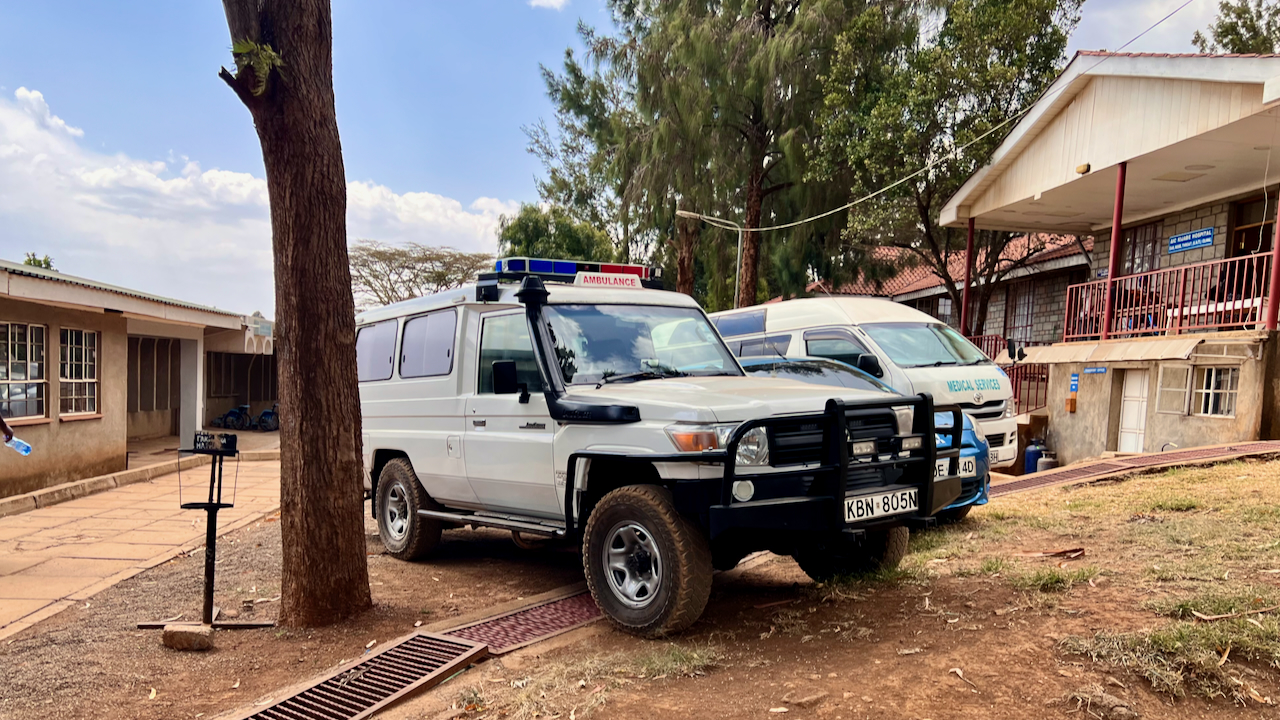
It has taken a while to figure out how I feel about the hospital; I’m sure my opinion will continue to evolve. But you might be curious and maybe the process of writing about it will bring my own views into clarity. Providing any type of patient care in this country is not an easy task. The obstacles encountered on a daily basis are morale-crushing, but only because Kijabe Hospital is generally an excellent hospital- the staff are very knowledgeable, we have lots of donated supplies, teams from the States come almost weekly to provide advanced services. But all this exists in a hospital compound that is chronically short on water, electricity, supplies, and staff. In fact several of the surrounding missionary houses have been without water for weeks now. Electricity is more stable due to the gas-powered generators, but they kick on almost daily. Some patients have very limited financial reserves, poor health literacy, and a general distrust of healthcare workers. Judging from some of the severe patients that have landed at Kijabe as their last hope after being scammed or mistreated at their local healthcare system, I can understand their distrust. Even at Kijabe, patients suffer from limited resources. I am realizing that judging healthcare quality by western standards despite Kenyan infrastructural and societal barriers leads to confusion, distrust, and resentment.
I have been thinking about working in a mission hospital for years now, so I had some expectations coming in. Some things are just as I imagined, but not everything. There are more insurance issues than I anticipated, and not just the disaster of the system upgrade in December. Emergent cases get held up until patient’s families pay a deposit, random finger prints are needed in offices around the country, and approval times for cases are very unpredictable. But also from a financial standpoint, there is no pressure from administration to do more cases, be more efficient, or avoid cases that are sure to lose the hospital money. From a supply standpoint, taking care of patients is very dependent on donations. Some supplies are not available for purchase in country, but I can’t believe others- like q-tips, vaseline gauze, umbilical tape, and penrose drains- are hard to come by. Conversely, our donated stock of drill bits, middle ear implants, sutures, facial plating systems, and several other expensive items is quite impressive. When should we use donated supplies on patients, and when should we do without? Are there some cases we shouldn’t do at all? Do I care about keeping the hospital (or at least our department) in the black on the budget sheet? Do we make people who can pay pay more so that those who can’t pay still have a hospital to care for them at all? How would Jesus approach working in this system? Would he come in with a whip and overturn sterile OR tables? Would he eat with insurance agents and billing staff? Does following Jesus at the workplace look different for a Kenyan than an American? It is hard to seperate my American healthcare training and trying to provide Christ-centered (and objectively substandard) care here in Kenya. But Jesus didn’t write the clinical practice guidelines, and God takes care of His people according to His purposes, not our standards. Would Jesus see walk-ins in clinic far past closing time or add on urgent OR cases late into the night? Maybe He would find a lonely mountainside to converse with His Father. Kijabe has its crowds of sick and lonely mountainsides both.
With the holidays over, the patient load at the hospital has increased substantially. In December the national health insurance agency upgraded their system, which had the unfortunate side effect of wiping away all the previous case approvals. The entire country had to reapply for coverage, and the OR was empty for several weeks. They are working through the backlog now, and our case approval rate has increased to about 5 cases per day. That means our surgical wait time went from 1 week in January to 6 weeks currently, and is still growing longer. Something like that in America would have caused major public outcry and cost hundreds of millions of dollars of hospital revenue. Here people didn’t really bat an eye at something so commonplace.
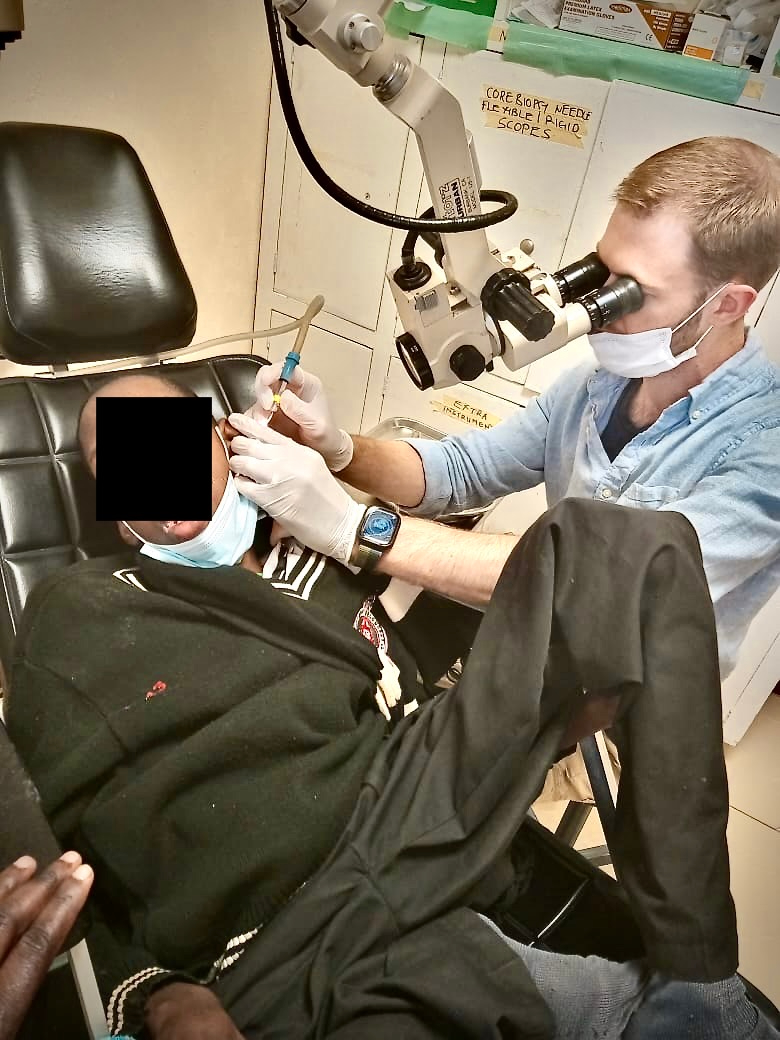
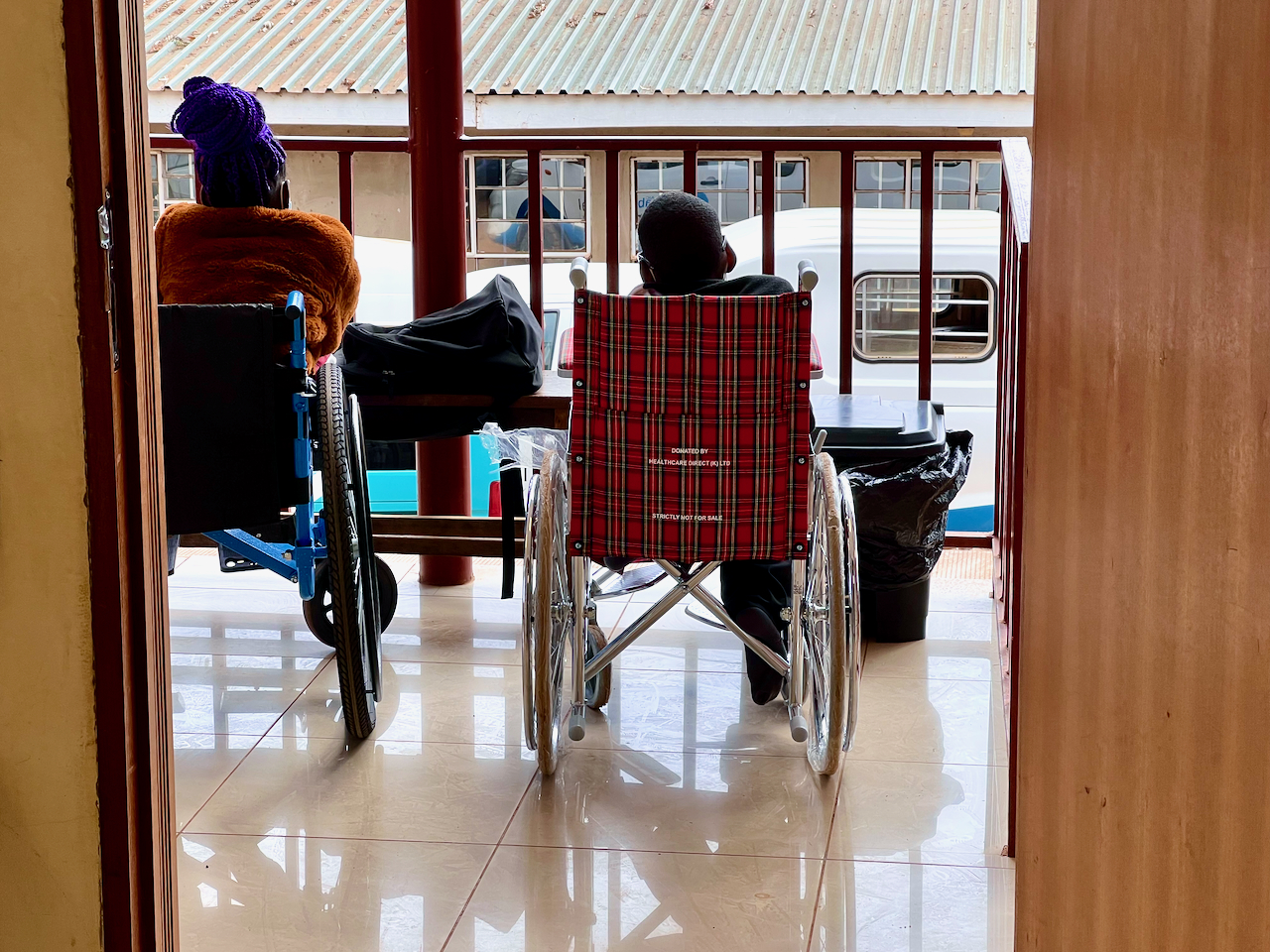
Last week in clinic two patients from Joytown came for poor hearing. Joytown is a facility/school for patients with spina bifida, polio, and other conditions that leave kids unable to walk. Both kids had chronic fluid behind their ear drums, which I was able to drain. Our clinic has a large stock of donated ear tubes, so I placed tubes in their ears so the fluid doesn’t reaccumaualte. It’s always satisfying to make someone hear better instantly, but that day was particularly satisfying as neither the patients nor their caregivers had any idea their hearing could be fixed in clinic. It was smiles all around as they wheeled out. The facility where they stay is run by the Salvation Army. Their healthcare expenses are paid through an organization called BethanyKids, which also owns the children’s hospital here at Kijabe. From a global health perspective, relying on the goodwill of three different non-profits to receive basic care isn’t particularly sustainable. But that day everything came together and our faith in the “system only God can navigate” was bolstered. Missionary medicine is full of highs and lows, wins and disappointments. Seeing God come through for these kids was amazing.
For now I’m going to learn from my team, try to provide good, sustainable care to the patients in front of me, and work to further God’s Kingdom here at Kijabe.
 Kenya Hear